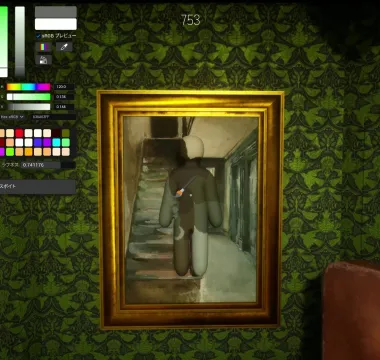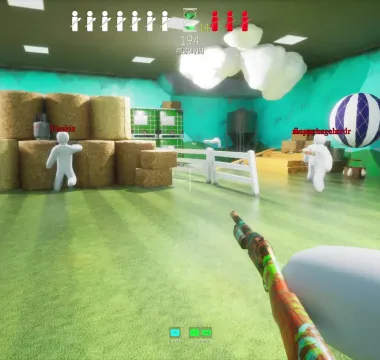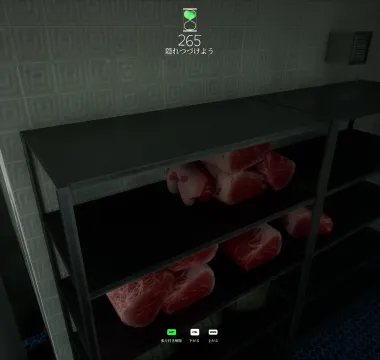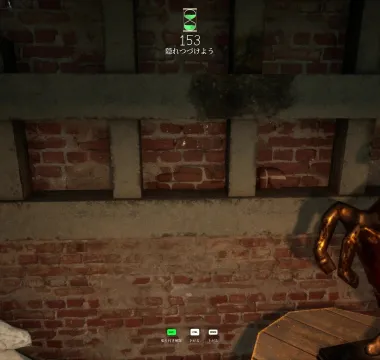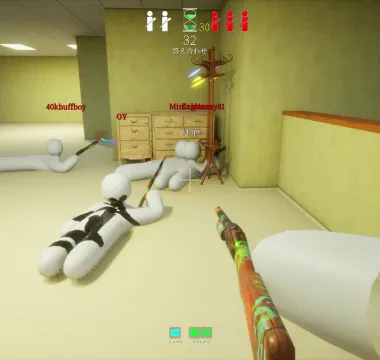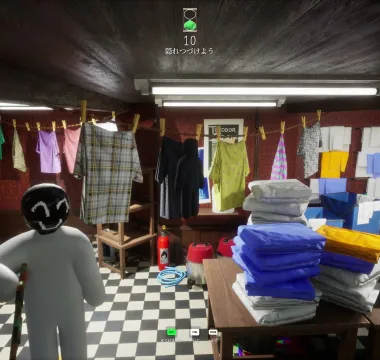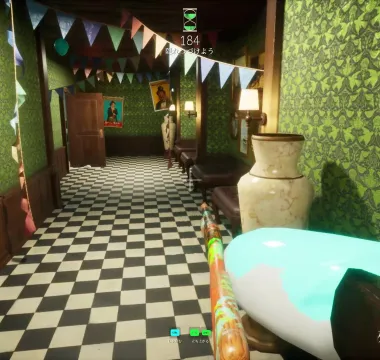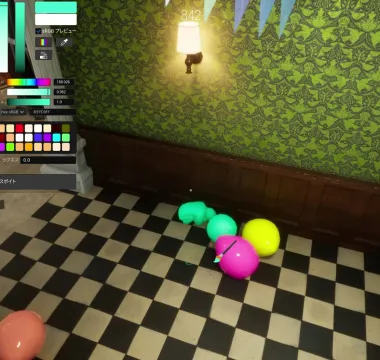


There’s a certain kind of game that doesn’t just ask you to react quickly, it asks you to think sideways. MECCHA CHAMELEON lands squarely in that category, and it does so with a style that feels both old-school and sharp-edged. At a glance, this is a speedrun-friendly action puzzle game about a chameleon character with a flair for transformation and improvisation. In practice, it’s a compact, clever, and often hectic test of memory, timing, and the ability to adapt on the fly. If you like games that reward experimentation rather than bludgeoning you with tutorials, this one is worth your attention.
What immediately stood out to me is how confident the game is in its own identity. MECCHA CHAMELEON doesn’t waste time pretending to be something else. It wants you to move, read the stage, and use your strange little shapeshifting toolkit to get through escalating challenges. That means clearing obstacles, chaining movement, and using your environment in ways that feel more playful than punitive. The game’s charm is in the pacing: every room seems built to create a small burst of anxiety, then a satisfying burst of mastery once you figure out the route.
Fast movement, weird rules, and a lot of charm
Mechanically, the game thrives on momentum. You are not simply walking from point A to point B. You are dealing with stages that force you to improvise, and the best moments come when you stop overthinking and start acting on instinct. The controls are tight enough to support that style, which matters more than most people realize. In a game like this, even a slight delay or sluggish response can ruin the experience. MECCHA CHAMELEON feels built by someone who understands that precision is part of the fun, not an optional extra.
The transformation theme is more than just decoration. It gives the whole game a sense of rule-bending absurdity that keeps it from becoming routine. You’re constantly nudged into asking, “What can I do here that I wasn’t doing a moment ago?” That question is the engine behind the best parts of the game. It also helps that the presentation supports the concept well. The visual style is vivid and playful, but it never gets so cluttered that you lose track of what matters. In a game built around split-second decisions, that clarity is a big deal.
Where the game really clicks
The strongest sections are the ones that combine movement pressure with task-based thinking. You’re not just racing through levels; you’re prioritizing routes, reading hazards, and deciding when to take a risk. MECCHA CHAMELEON has that rare ability to make failure feel instructional instead of frustrating. When you mess up, it usually feels like you made the wrong read, not that the game cheated you. That’s a huge win.
I also appreciate how the game respects repeat attempts. A lot of modern games pad their challenge with excess talk or over-designed checkpoints. This one seems more interested in getting you back into the action quickly. That matters because its appeal depends on repetition. You learn a stage, refine your timing, and start shaving seconds or mistakes off your run. That loop can be addictive in the best possible way.
Challenge that rewards observation, not brute force
If you’re the kind of player who likes to charge in and hope for the best, MECCHA CHAMELEON will probably humble you. It’s not unfair, but it is demanding. The stages often require you to memorize patterns or recognize subtle environmental cues. That makes the game feel satisfying in the same way a tricky platforming section does: the first attempt may be chaos, but by the third or fourth, your path starts to emerge.
Where some games flatten their difficulty into simple speed requirements, this one layers in route planning. That adds depth without turning the experience into homework. There’s enough variety to keep the challenge fresh, and the game avoids becoming a one-note endurance test. I’d call it lean rather than shallow. It doesn’t overstay its welcome, but it still gives dedicated players room to improve.
For anyone searching for download options, the game’s accessibility is part of the appeal. It fits the kind of title people want to play in short bursts, whether they’re looking for a quick free session or planning to install it for a longer run of attempts. It’s the sort of release that naturally invites discussion about cheats and mods too, mostly because players love testing the limits of a game with such a distinctive movement system. Still, the core experience is clearly built around learning the intended flow rather than bypassing it.
Presentation and audio
Visually, MECCHA CHAMELEON has personality. The game knows how to sell motion, and that’s crucial. Animations are lively, colors pop, and feedback is immediate enough that you always understand what just happened. That said, the art direction is not just bright for brightness’s sake. It serves readability first and style second, which is exactly what a game like this needs.
The audio side complements the pace nicely. Sound cues help reinforce timing, and the overall tone stays energetic without becoming irritating. I’ve played plenty of fast games where the soundtrack starts to feel like pressure in the wrong way. Here, the music and effects help keep the energy up without drowning out the actual gameplay. It feels cohesive, which is more valuable than people often admit.
Who should play it?
MECCHA CHAMELEON is best suited for players who enjoy arcade-style challenge, puzzle-platforming ideas, and games that ask for repeated practice. If you like clean mechanics and a high skill ceiling, there’s plenty here to chew on. If you only want a slow, relaxed experience, this probably won’t be your main game. But if you enjoy mastering a system, learning tight routes, and finding the smart use of every tool the game gives you, this one is likely to stick with you longer than expected.
It also helps that the game feels like something you can return to easily. That makes it a strong candidate for anyone browsing platforms looking for a fresh pick-up-and-play title. Depending on where it’s available, players may prefer to download it on a preferred storefront, install it for repeated runs, or look for unblocked access if they want to squeeze in a session somewhere restrictive. The game’s structure suits that kind of flexibility well.
As for all the extras people ask about, I’d say MECCHA CHAMELEON is strongest when played straight. Cheats can reduce the tension that makes its design interesting, and mods would only really make sense if the community builds custom challenge types or visual tweaks. The base game already has enough personality to stand on its own.
Final verdict
MECCHA CHAMELEON is a lively, compact, and smartly designed action puzzle game that succeeds by trusting its fundamentals. It doesn’t need oversized systems or endless explanation to make an impression. It delivers a quick-learning, hard-to-master loop with enough style to keep each attempt engaging. The movement feels good, the stage design respects the player’s intelligence, and the game’s identity is distinct enough to make it memorable in a crowded field.
From my perspective as an experienced gamer, that’s the highest compliment I can give a title like this: it knows exactly what it is, and it does that one thing with confidence. MECCHA CHAMELEON may not be the biggest game on the market, but it has the kind of focused design that can win over players who value precision and personality over excess. If you’re looking for something unusual, energetic, and genuinely replayable, this is an easy recommendation.
How to download MECCHA CHAMELEON
Availability & Launch: MECCHA CHAMELEON can typically be accessed through official digital storefronts or the publisher’s page, depending on region and release timing. If a free version, demo, or promo window is available, it will usually be listed there clearly before you download.
Platforms: Check the official listing for current platforms. If a version is not supported on your device, you may need a cloud service or emulator only where legally allowed and officially supported. Always verify where you can play before trying to install it.
Install: Download from the official source, open the installer or client, sign in if needed, and follow the on-screen setup steps. On mobile, install directly from the store listing; on PC or Mac, use the launcher or package provided by the official vendor.
System Requirements: For PC or Mac, keep an eye on the minimum CPU, RAM, storage, and GPU listed on the store page. For Android, confirm OS version and available storage before you install. The exact specs can vary by build.
Cheats / Mods: Cheats are usually not part of the standard experience, and mods depend on whether the developer allows them. If mods are supported, they’re generally shared through approved community channels.
Unblocked Access: Unblocked play in school or work settings depends on local network rules and the game’s web or app availability. If access is restricted, use only approved methods and official platforms.
Pros

- Fast, responsive controls that support precise play
- Distinctive shapeshifting concept that keeps gameplay fresh
- Strong stage design that rewards observation and route planning
- Good replay value for players who enjoy improving their runs
- Clear visual feedback that makes fast action easy to read
- Energetic presentation with a charming and memorable style
- Short, repeatable sessions make it easy to jump back in
Cons

- Can be demanding and may frustrate players who prefer relaxed gameplay
- Success often depends on memorizing patterns and learning routes
- Limited appeal for players who want a slower, story-focused experience