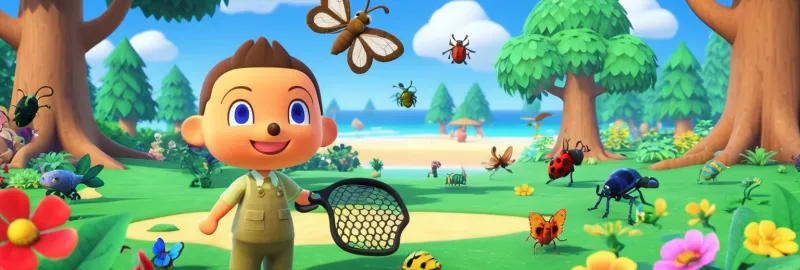
Exploring the virtual island of Animal Crossing: New Horizons invites players into a charming world where nature and creativity merge. One of the standout activities is the collection of various insects that bring life and functional value to the gameplay. Amid the gentle hum of the island's environment, players discover that each bug holds potential; from their financial worth when sold to the joyous excitement of gifting or donating them to the island’s local museum. The game intricately weaves mechanics where careful observation, timing, and the strategic deployment of tools create a rewarding experience. With each step on the island, every fluttering wing or subtle scuttle becomes a reminder of nature’s diversity and the celebratory spirit of exploration that defines the Animal Crossing universe.
Essential Tools and Tactics for Insect Collection
At the heart of bug collection is understanding the role of your net as a crucial tool in Animal Crossing: New Horizons. The game introduces a basic, flimsy net which paves the way to more durable versions as you master crafting at the DIY bench. The sensitivity required in handling the net creates a rhythm of cautious approach and quick reflexes. Insects are often elusive, so learning how to slowly approach while holding down the designated action button is key. The process involves patiently sneaking up on bugs, monitoring their behavior, and releasing your net precisely when in range. Experimentation is encouraged since some insects may flee if startled. The iterative approach of crafting replacements also reinforces the game’s theme of resourcefulness and patience while engaging with the island’s natural ecosystem.
Exploring Varied In-Game Environments
The island scene in Animal Crossing is meticulously designed with diverse locations that continuously influence the spawn and behavior of bugs. Trees, rivers, rock formations, and even decorative elements like light posts and flowers provide the perfect backdrop for distinct insect species to appear. Each area of your island can host a different subset of the 80 insect species, making environmental planning a central aspect of gameplay. By modifying the island’s layout and adding features such as tree stumps, players encourage a richer variety of bugs to emerge. The immersive detail in these settings allows for strategic positioning not only in furnishing your island aesthetically but also in creating ideal habitats for nighttime or daytime insect appearances. The interconnection of natural elements and decoration fosters a living, breathing world where each corner holds potential surprises.
Weather Patterns and Their Impact on Insect Activity
Weather conditions significantly shape the island’s insect population in Animal Crossing: New Horizons. As players experience scenic shifts through sunny, rainy, or even snowy days, the enemy-free ambiance transforms to reveal hidden treasures in the form of species that only appear under certain weather conditions. For example, while bright days may favor the flutter of colorful butterflies, overcast or rainy conditions might encourage the emergence of slower-moving creatures like snails. Each atmospheric change is meticulously tied into the game’s dynamic system, ensuring that the conditions simulate a realistic ecological cycle. The weather not only influences which bugs come out but also the specific times during the day when each insect prefers to be active. This natural variability fosters a sense of anticipation, pushing players to carefully plan when to venture outdoors and maximize their collection efforts.
Timing Considerations and Daily Rhythms
Time management plays a pivotal role when tracking down every elusive insect available on your island. Animal Crossing: New Horizons is synchronized with real-world time, bringing a level of authenticity to bug appearances. Distinct species emerge during specified hours of the day, and some even follow nocturnal habits. From the early hours just before dawn to the twilight period late in the evening, players must adapt their schedules to uncover insects that are exclusive to certain timeframes. The integration of a real-time clock means that the collection experience is continuously evolving. Keeping an eye on your Critterpedia offers insights into when insects are available and what conditions trigger their appearances. This day-night cycle mechanism enhances the strategic depth of bug collection and adds an element of time-sensitive challenge to the island exploration.
Seasonal Shifts and Regional Diversity
Seasonality in Animal Crossing introduces a remarkable layer of depth as bugs come in and out of season. Depending on whether players opt for the Northern or Southern hemisphere setup, the availability of insects shifts accordingly. Specific bugs flourish during months linked to vibrancy and warmth, while others become accessible during the colder, subdued periods. This seasonal variation is not mere aesthetics; it compels players to return to the island throughout the year to complete their catalog of insects. The cyclical nature of in-game seasons creates an evolving narrative where the island is never static, ensuring continuous engagement. Players are encouraged to explore Various areas of the island at assorted points in time, capturing the fleeting moments when a rare species might appear, perfectly blending natural rhythms with the joy of discovery.
Understanding Bug Habitats and Their Unique Requirements
The habitat preferences of each insect species add an additional strategic element to Animal Crossing. Some bugs favor the lofty canopies of coconut trees, while others are found hidden among the underbrush of smaller flora. Certain insects can only be found on specific island features; for instance, a particular variety might exclusively inhabit the area around tree stumps or the damp ground near water sources. This attention to detail compels players to tailor their island’s layout to attract specific insects, whether for personal enjoyment or for filling museum exhibits. By recognizing these fine nuances and adapting the terrain accordingly, players not only optimize their collection process but also enhance the island’s natural charm. The careful balance of deliberate planning and chance discoveries transforms the simple act of bug hunting into an immersive strategic pursuit.
Economic Value and Collector Incentives
Insect collection in this game is not merely a hobby; it carries substantial economic value that benefits players in several ways. Each bug, with its specific in-game sale price, adds a layer of financial strategy to everyday activities. The spectrum of insect prices contributes to a dynamic economy where rare insects fetch higher sums, making careful collection potentially very lucrative. Players can choose to sell their finds at Nook’s Cranny Alternatively, you could say: "or repurpose them for alternative functions within the." game, such as gifting or displaying them. This duality of function—both as a form of income and as decorative or donation items—allows for a comprehensive, multi-layered strategy in gameplay. As players progress, the cumulative wealth from insect sales can unlock further upgrades, providing an incentive to perfect the art of bug collection by balancing risk, time, and strategic resource allocation.
Strategies for Finding Rare Insects
Encountering rare insects in Animal Crossing: New Horizons "stands as one of the most electrifying challenges for" dedicated players. These elusive bugs often come with unique environmental triggers or timing quirks that require careful observation and persistence. A rare insect might They emerge exclusively under defined circumstances, for instance during… twilight hours near particular vegetation or when the island is experiencing a distinct weather phase. Players looking to capture these special species should pay close attention to indicators provided by the game, such as hints in the Critterpedia or regional patterns observed over multiple visits. Experimentation with different island configurations and staying alert during peak collection times can significantly enhance the chances of success. This methodical approach to rare insect hunting transforms the experience into an engaging puzzle that rewards curiosity and perseverance.
Practical Approaches to Bug Collection and Display
The process of bug collection in Animal Crossing is both engaging and practical, allowing players to enjoy various methods of display and inventory management. After successfully capturing insects, players can choose to donate their finds to the local museum, where each entry adds to a growing showcase of biodiversity. Alternatively, many opt to arrange their insects in personal collections, decorating their homes or public spaces with the vibrant assortment of species. The possibilities extend beyond mere collection; the social aspect of trading, gifting, and even selling bugs enriches the interactive experience. Such practical gameplay elements encourage players to maintain a meticulous catalog via the Critterpedia. This digital record not only chronicles their adventures but also acts as a tactical guide for future collection strategies, aligning personal achievement with community sharing.
Interactive Learning Through In-Game Documentation
Navigating the world of bugs in Animal Crossing is supported by a robust in-game documentation system that informs players about every aspect of their collection. The Critterpedia acts as a detailed log, recording the time, date, and specific conditions under which each insect is encountered. This resourceful tool serves both as an educational guide and a strategic checklist for dedicated collectors. By consulting the Critterpedia, players can gauge their progress, learn about species’ preferred habitats and timings, and better plan their next collection outings. This interactive learning process emphasizes observation, analysis, and adaptability, allowing players to constantly refine their techniques. Moreover, the documentation system integrates seamlessly with the broader gameplay, enhancing the sense of discovery and ensuring that every encounter with the island’s wildlife feels meaningful and informed.
Integration of Bug Collection with Island Customization
The allure of bug collection goes hand in hand with the broader theme of island customization in Animal Crossing: New Horizons. As players work In order to bestow each island with its own distinct identity, the design choices they make can directly influence the presence and variety of insects. Landscaping decisions, such as planting clusters of certain flowers, positioning trees thoughtfully, or constructing decorative features, can invite a richer array of bugs. This integration of environmental design and bug collection creates a satisfying loop where creative freedom is rewarded by tangible in-game benefits. Customizing your island becomes More than simply a creative pursuit, it also serves as a This revision maintains the intended meaning and seamlessly fits into the overall sentence context strategic exercise. Each element, from flora to structural details, carries the promise of attracting a hidden world that can be discovered, captured, and celebrated through interactive gameplay.